Prof. Dr. Larry AdamsAcademic, Author & Researcher
Business and Management Research: A Comprehensive Guide · 40 slides

Presentation · 40 slides

Business and Management Research: A Comprehensive Guide

From Theoretical Frameworks and the Literature Review to Design, Method and Findings

Dr. Lance Adams and Prof. Dr. Larry Adams

The full guide, from theoretical frameworks and the literature review through research design, quantitative and qualitative method, interviewing, analysis and the reporting of findings.

Free to view online and to download for teaching, with acknowledgement of the author. To reproduce or adapt any part of a deck, please request permission through the contact page beforehand.


  1. Business and Management Research: A Comprehensive Guide

    By. Dr. Lance Adams and Dr. Larry Adams

    Welcome to this comprehensive guide on business and management research. We'll explore the entire research process from theoretical frameworks to data collection methods.

    This presentation will equip you with the tools and knowledge to conduct effective research that drives business decisions and generates valuable insights.

    01
  2. What is Business Research?

    Definition

    Business research is the systematic inquiry that provides information to guide business decisions. It involves collecting, analyzing, and interpreting data.

    Key Characteristics

    Business research is purposeful, specific, objective, systematic, and empirical. It requires careful planning and rigorous execution.

    Decision-Making Impact

    Quality research reduces uncertainty in decision-making. It provides evidence-based insights for strategic planning and problem-solving.

    02
  3. Theoretical Framework of Research

    Purpose

    A theoretical framework provides the conceptual foundation for research. It connects the study to existing knowledge and guides analysis.

    Components

    Relevant theories

    • Strong frameworks help researchers identify relationships between variables. They also provide context for interpreting results.
    • Key concepts and definitions
    • Relationships between variables
    • Assumptions and limitations
    03
  4. Developing a Theoretical Framework

    Review Existing Literature

    Examine theories, models, and concepts relevant to your research problem. Identify key variables and relationships.

    Select Relevant Theories

    Choose theories that best explain your research phenomenon. Consider their explanatory power and applicability.

    Develop Conceptual Model

    Create a visual representation showing relationships between concepts. Map connections between independent and dependent variables.

    Refine and Validate

    Test your framework against existing research. Ensure it aligns with your research questions and objectives.

    04
  5. Statement of the Problem

    Identify Research Gap

    Recognize an unresolved issue or knowledge gap in the field. The problem should be significant and researchable.

    Define Scope

    Establish clear boundaries for your research. Narrow the focus to make the problem manageable.

    Articulate Clearly

    Express the problem in precise, unambiguous language. Avoid vague terminology and generalities.

    Ensure Significance

    Demonstrate why solving this problem matters. Explain its theoretical or practical implications.

    05
  6. Purpose of the Study

    1

    Define Research Aims

    Clearly state what you hope to accomplish. Use action verbs like explore, describe, analyze, or evaluate.

    2

    Establish Scope

    Set boundaries for your research. Specify what aspects of the problem you will address.

    3

    Align with Problem Statement

    Ensure objectives directly address the research problem. Each objective should contribute to resolving the problem.

    4

    Consider Feasibility

    Set objectives that are achievable within your constraints. Consider time, resources, and access to data.

    06
  7. Literature Review: Overview

    Explore Existing Knowledge

    Comprehensive examination of published works related to your research topic.

    Establish Context

    Places your research within the larger academic conversation. Shows how your work relates to existing studies.

    Identify Gaps

    Reveals unexplored areas or contradictions in current knowledge. Points to opportunities for original contribution.

    Justify Methodology

    Supports your chosen research methods. Demonstrates awareness of methodological precedents in your field.

    07
  8. Conducting a Literature Review

    Search for Sources

    Utilize academic databases, journals, books, and reputable online resources. Document your search process.

    Extract and Organize

    Create annotated bibliography or literature matrix. Track key findings, methodologies, and limitations.

    • Establish keywords, databases, and inclusion criteria. Set timeframe and language requirements.
    • Apply inclusion and exclusion criteria. Focus on relevance, quality, and recency of sources.
    • Identify patterns, themes, and contradictions. Organize literature by concepts rather than individual sources.

    Define Search Parameters

    Screen and Select

    Synthesize Findings

    08
  9. Critically Analyzing Literature

    Synthesize & Evaluate

    Form new insights by connecting multiple sources

    Compare & Contrast

    Identify similarities and differences between studies

    Analyze Methodologies

    Assess research design, sample size, and analytical approaches

    Evaluate Source Credibility

    Consider author expertise, publication quality, and citation count

    09
  10. Forming an Argument

    Identify knowledge gaps

    Pinpoint contradictions or unexplored areas in existing research

    Formulate position

    Develop a clear stance based on evidence

    Construct logical framework

    Link evidence to claims with sound reasoning

    Anticipate counterarguments

    Address potential criticisms proactively

    10
  11. Research Design: Introduction

    Experimental

    Tests causal relationships by manipulating variables under controlled conditions. Provides strong evidence for causality.

    Descriptive

    Describes characteristics, events, or phenomena. Provides a snapshot of the current state of affairs.

    Exploratory

    Investigates new or little-understood topics. Generates preliminary insights and hypotheses for future research.

    Explanatory

    Explains relationships between variables. Identifies causes and effects of phenomena.

    11
  12. Planning the Research Proposal

    Define Research Problem

    Clearly articulate the issue to be addressed

    Review Literature

    Establish theoretical foundation and identify gaps

    Design Methodology

    Select appropriate research methods and tools

    Plan Resources

    Develop timeline, budget, and personnel needs

    Draft Proposal

    Compile all elements into a cohesive document

    12
  13. Formulating Research Questions

    5

    Key Characteristics

    Clear, focused, researchable, significant, and ethical questions yield the best results

    3

    Main Types

    Descriptive, relational, and causal questions serve different research purposes

    60%

    Success Rate

    Well-formulated questions increase research success probability significantly

    2x

    Efficiency Impact

    Precise questions can double research efficiency by providing clear direction

    13
  14. Quantitative Research Methods: Overview

    • Definition
    • Systematic empirical investigation using statistical, mathematical, or computational techniques
    • Key Features
    • Numerical data, statistical analysis, large samples, generalizable results
    • Strengths
    • Objectivity, precision, replicability, ability to test hypotheses
    • Limitations
    • May miss contextual details, limited depth, potential oversimplification
    • When to Use
    • Testing theories, measuring relationships, obtaining generalizable findings
    14
  15. Types of Quantitative Research Designs

    Experimental Designs

    True experiments

    Non-Experimental Designs

    Descriptive research

    • Quasi-experiments
    • Pre-experimental designs
    • Involve manipulation of independent variables. Researchers control conditions and randomly assign participants to groups.
    • Correlational studies
    • Survey research
    • Ex post facto designs
    • No manipulation of variables. Researchers observe phenomena as they naturally occur.
    15
  16. Qualitative Research Methods: Overview

    Definition

    Exploratory research using non-numerical data to understand underlying reasons, opinions, and motivations.

    Key Features

    Rich textual data, in-depth exploration, smaller samples, contextual understanding.

    Strengths

    Depth of understanding, flexibility, discovery of unexpected insights, naturalistic approach.

    Limitations

    Less generalizable, more time-consuming, potential researcher bias, challenging data analysis.

    16
  17. Types of Qualitative Research Designs

    Case Studies

    In-depth investigation of a single case or multiple cases. Examines real-life phenomena within specific contexts.

    Ethnography

    Immersive study of cultures or social groups. Involves extended fieldwork and participant observation.

    Phenomenology

    Explores lived experiences and perceptions. Seeks to understand phenomena from participants' perspectives.

    17
  18. Mixed Methods Research

    Quantitative Component

    Statistical data collection and analysis. Measures variables and tests hypotheses.

    Integration

    Merging, connecting, or embedding data. Creates comprehensive understanding of research problem.

    Qualitative Component

    Textual data collection and analysis. Explores meanings and contexts.

    • Mixed methods research combines the strengths of both approaches. It provides broader perspectives and stronger evidence than single-method studies.
    • Common designs include sequential, concurrent, and transformative approaches. Each serves different research needs.
    18
  19. Determining Research Populations

    Target Population

    The complete set of cases or group members that researchers are interested in. Must be clearly defined by specific characteristics.

    Accessible Population

    The portion of the target population that is realistically available for sampling. Often limited by practical constraints.

    Inclusion/Exclusion Criteria

    Specific characteristics that determine eligibility for study participation. Should be logically connected to research questions.

    19
  20. Sampling Methods: Overview

    Define Population

    Identify the complete set of cases relevant to your research question

    Select Sampling Method

    Choose between probability and non-probability approaches

    Determine Sample Size

    Calculate appropriate number based on statistical requirements

    Implement Sampling Plan

    Execute sampling procedure with consistency and documentation

    20
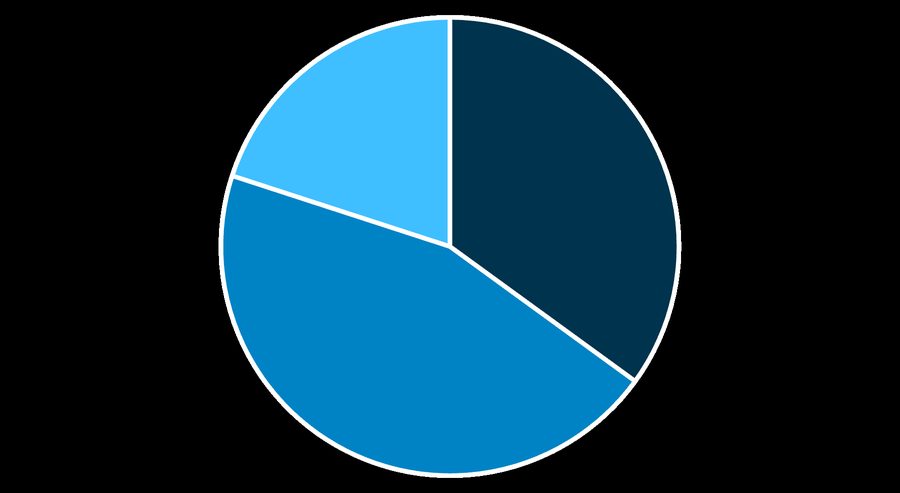
  21. Probability Sampling Techniques

    • Probability sampling gives every element in the population a known chance of selection. This enables statistical inference about the population from the sample.
    21
  22. Non-Probability Sampling Techniques

    Convenience Sampling

    Selecting readily available cases. Quick and inexpensive but potentially biased.

    Purposive Sampling

    Selecting cases based on specific characteristics. Useful for specialized populations.

    Snowball Sampling

    Participants recruit additional subjects. Effective for hard-to-reach populations.

    • Example: Surveying customers currently in a store.
    • Example: Interviewing experts in a particular field.
    • Example: Studying business networks through referrals.
    22
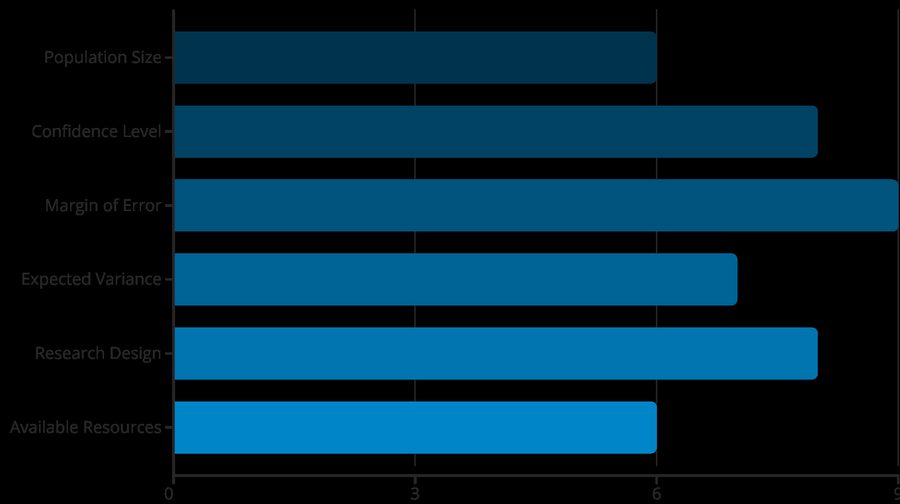
  23. Sample Size Determination

    • Sample size significantly impacts research validity. Larger samples increase precision but require more resources.
    23
  24. Collecting Primary Data: Introduction

    High Control

    Custom-designed for specific research needs

    Current & Relevant

    Up-to-date information specific to research questions

    Exclusive Ownership

    Original data unavailable to competitors

    Resource Intensive

    Requires significant time, effort, and budget

    24
  25. Observations as a Data Collection Method

    Types of Observations

    Participant observation

    Advantages

    Captures actual behavior

    Limitations

    Time-consuming

    • Non-participant observation
    • Structured observation
    • Unstructured observation
    • Provides contextual data
    • Reveals unspoken patterns
    • Minimizes subject reactivity
    • Observer bias risk
    • Limited to observable actions
    • Ethical considerations
    25
  26. Conducting Observational Research

    Planning Phase

    Define observation objectives. Select observation type. Develop observation protocol with clear categories.

    Execution Phase

    Enter field setting. Document behaviors systematically. Maintain awareness of potential observer effects.

    Recording Phase

    Use field notes, checklists, or digital tools. Document context and non-verbal cues.

    Analysis Phase

    Code observations. Identify patterns and themes. Integrate with other data sources.

    26
  27. Surveys as a Data Collection Method

    Paper Surveys

    Traditional format. Useful for populations with limited digital access. Higher response rates in face-to-face settings.

    Online Surveys

    Cost-effective and scalable. Enables complex logic and multimedia. Quick data collection and analysis.

    Telephone Surveys

    Allows clarification of questions. Higher response rates than online. Enables reaching diverse populations.

    Mobile Surveys

    Captures in-the-moment feedback. Enables location-based research. Higher engagement with younger demographics.

    27
  28. Designing Effective Surveys

    1

    Define Clear Objectives

    Establish exactly what information you need. Align questions with research goals and theoretical framework.

    2

    Select Question Types

    Choose appropriate formats: multiple choice, Likert scales, ranking, or open-ended. Match format to information needs.

    3

    Craft Unbiased Questions

    Use neutral language. Avoid leading questions, double-barreled questions, and loaded terminology.

    4

    Test and Refine

    Conduct pilot testing with representative respondents. Revise based on feedback and response patterns.

    28
  29. Interviews as a Data Collection Method

    • Structured
    • Semi-structured
    • Unstructured
    • Interviews provide rich, detailed data through direct interaction with participants. They allow for exploring complex topics and clarifying responses in real-time.
    • Semi-structured interviews are most popular in business research, balancing consistency with flexibility to explore unexpected insights.
    29
  30. Conducting Effective Interviews

    Preparation

    Develop interview guide. Research participants' backgrounds. Test recording equipment. Prepare consent forms.

    Establishing Rapport

    Begin with introduction and small talk. Explain research purpose and confidentiality. Create comfortable atmosphere.

    Active Interviewing

    Ask clear questions. Listen attentively. Probe for deeper insights. Observe non-verbal cues.

    Documentation

    Record with permission. Take strategic notes. Transcribe accurately. Verify understanding with participants.

    30
  31. Focus Groups as a Data Collection Method

    Purpose

    Focus groups capture group dynamics and collective opinions. They generate insights through participant interaction and discussion.

    Structure

    Typically 6-10 participants with similar characteristics. Led by skilled moderator using prepared discussion guide.

    Advantages

    Efficient data collection from multiple participants. Reveals diverse perspectives. Generates unexpected insights through interaction.

    Limitations

    Potential for groupthink or dominant personalities. Less depth than individual interviews. Logistical challenges of coordination.

    31
  32. Facilitating Focus Groups

    Planning

    Define objectives

    Moderation

    Establish ground rules

    Analysis

    Transcribe discussions

    • Develop discussion guide
    • Select participants
    • Arrange logistics
    • Facilitate balanced participation
    • Probe for deeper insights
    • Manage group dynamics
    • Code for themes
    • Analyze interactions
    • Identify consensus/disagreement
    32
  33. Experimental Methods in Business Research

    Laboratory Experiments

    Conducted in controlled environments. Maximize internal validity through strict control of variables.

    Field Experiments

    Conducted in real-world settings. Balance control with naturalistic conditions.

    Natural Experiments

    Occur without researcher intervention. Utilize naturally occurring events or policy changes.

    • Example: Testing consumer responses to different packaging designs in a simulated store environment.
    • Example: Testing different pricing strategies across different store locations.
    • Example: Studying impact of minimum wage increase on employee retention across state borders.
    33
  34. Ethical Considerations in Research

    Informed Consent

    Participants must understand research purpose, procedures, risks, and benefits before agreeing to participate.

    Privacy & Confidentiality

    Personal data must be protected. Identifiable information should be carefully secured or anonymized.

    Risk Minimization

    Research design should minimize potential harm to participants. Benefits should outweigh risks.

    Respect for Autonomy

    Participants' right to withdraw at any time must be respected without penalty.

    Cultural Sensitivity

    Research methods must respect cultural differences and avoid imposing researcher values.

    34
  35. Reliability and Validity in Research

    Reliability

    Consistency of measurement

    Validity

    Accuracy of measurement

    Strategies for Improvement

    Triangulation

    • Test-retest reliability
    • Inter-rater reliability
    • Internal consistency
    • Content validity
    • Criterion validity
    • Construct validity
    • Member checking
    • Pilot testing
    • Peer review
    35
  36. Data Analysis: Introduction

    Quantitative Analysis

    Statistical techniques to identify patterns and relationships in numerical data. Includes descriptive and inferential methods.

    Qualitative Analysis

    Systematic organization and interpretation of non-numerical data. Includes coding, thematic analysis, and narrative analysis.

    Mixed Methods Analysis

    Integration of statistical and textual analyses. Includes data transformation, comparison, and consolidation techniques.

    36
  37. Interpreting Research Results

    Theoretical Implications

    Connect findings to existing theories

    Research Question Alignment

    Assess how findings address original questions

    Comparative Analysis

    Contrast results with previous studies

    Statistical Significance

    Evaluate practical vs. statistical importance

    37
  38. Presenting Research Findings

    Know your audience

    Tailor content to their knowledge level and interests

    Create a narrative

    Structure findings as a coherent story with clear flow

    Visualize key data

    Use appropriate charts and graphics for clarity

    Emphasize implications

    Highlight practical applications of your findings

    38
  39. Limitations and Future Research

    Common Limitations

    Methodological constraints

    Addressing Limitations

    Acknowledge limitations honestly but without undermining your study. Explain how limitations were mitigated when possible.

    Future Research Directions

    Suggest specific follow-up studies that build on your work. Identify emerging questions raised by your findings.

    • Sample limitations
    • Time and resource restrictions
    • Measurement challenges
    • Contextual boundaries
    • Demonstrate awareness of how limitations affect the interpretation of your findings.
    • Recommend methodological improvements for subsequent research endeavors.
    39
  40. Conclusion: The Impact of Business Research

    70%

    Decision Quality

    Companies using research-based decisions report higher success rates

    3x

    ROI Impact

    Research-informed strategies deliver triple the return on investment

    65%

    Innovation Rate

    Research-driven companies introduce successful innovations more frequently

    40%

    Risk Reduction

    Evidence-based approaches significantly lower business failure rates

    40
01 / 40

Slides in this deck

  1. Business and Management Research: A Comprehensive Guide
  2. What is Business Research?
  3. Theoretical Framework of Research
  4. Developing a Theoretical Framework
  5. Statement of the Problem
  6. Purpose of the Study
  7. Literature Review: Overview
  8. Conducting a Literature Review
  9. Critically Analyzing Literature
  10. Forming an Argument
  11. Research Design: Introduction
  12. Planning the Research Proposal
  13. Formulating Research Questions
  14. Quantitative Research Methods: Overview
  15. Types of Quantitative Research Designs
  16. Qualitative Research Methods: Overview
  17. Types of Qualitative Research Designs
  18. Mixed Methods Research
  19. Determining Research Populations
  20. Sampling Methods: Overview
  21. Probability Sampling Techniques
  22. Non-Probability Sampling Techniques
  23. Sample Size Determination
  24. Collecting Primary Data: Introduction
  25. Observations as a Data Collection Method
  26. Conducting Observational Research
  27. Surveys as a Data Collection Method
  28. Designing Effective Surveys
  29. Interviews as a Data Collection Method
  30. Conducting Effective Interviews
  31. Focus Groups as a Data Collection Method
  32. Facilitating Focus Groups
  33. Experimental Methods in Business Research
  34. Ethical Considerations in Research
  35. Reliability and Validity in Research
  36. Data Analysis: Introduction
  37. Interpreting Research Results
  38. Presenting Research Findings
  39. Limitations and Future Research
  40. Conclusion: The Impact of Business Research